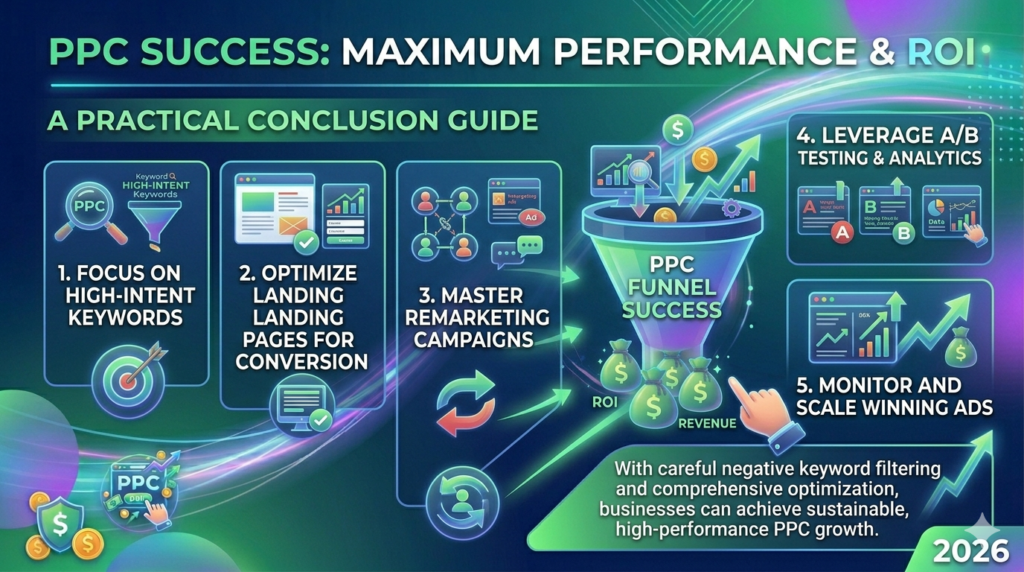
PPC Advertising: The Complete Beginner’s Guide for 2026
PPC advertising is one of the fastest ways businesses can generate traffic, leads, and sales online. Whether you own a small business or run an eCommerce store, campaigns can help you reach customers instantly through platforms like Google Ads and Facebook Ads.
In this guide, you’ll learn what advertising is, how Google Ads works, SEO vs PPC differences, PPC strategies, common mistakes, and how to improve conversion rates.
What Is PPC Advertising?
PPC (Pay-Per-Click) advertising is a digital marketing model where advertisers pay a fee every time someone clicks on their ad.
Instead of waiting for organic traffic, allows businesses to appear instantly on search engines and social media platforms.
Popular platforms include:
- Google Ads
- Facebook Ads
- Instagram Ads
- LinkedIn Ads
- YouTube Ads
The biggest advantage of PPC is immediate visibility and targeted traffic.
How Google Ads Works
Google Ads is the most popular platform in the world. Businesses bid on keywords related to their products or services.
When users search those keywords on Google, ads may appear above organic search results.
Google Ads Process
- Choose target keywords :In advertising, businesses first select keywords that potential customers are searching for on Google. Choosing the right keywords helps ads appear to the correct audience and increases the chances of getting clicks and conversions.
- Create ads :After selecting keywords, advertisers create attractive ads with compelling headlines, descriptions, and call-to-action buttons. A well-written ad encourages users to click and visit the website.
- Set a budget :Google Ads allows businesses to decide how much money they want to spend daily or monthly. Setting a budget helps control advertising costs while maximizing campaign performance.
- Bid on keywords : Advertisers compete for ad placement by bidding on keywords. Higher bids can improve visibility, but Google also considers ad quality when deciding rankings.
- Google ranks ads using Quality Score and bids: Google uses a combination of bid amount and Quality Score to rank ads. Quality Score depends on ad relevance, expected click-through rate, and landing page experience.
- Pay only when users click :In advertising, businesses are charged only when someone clicks on their ad. This makes a cost-effective strategy because advertisers pay for actual traffic instead of ad views.
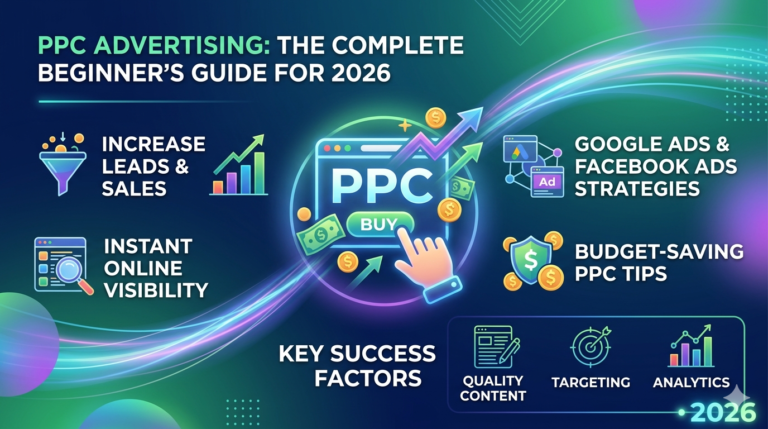
SEO vs PPC: Which Is Better?
Both SEO and PPC help businesses increase online visibility, but they work differently.
| Feature | SEO | PPC |
|---|---|---|
| Traffic Source | Organic | Paid |
| Speed | Slow but long-term | Instant results |
| Cost | Free traffic | Pay per click |
| Sustainability | Long-lasting | Stops when budget ends |
| Best For | Long-term growth | Fast leads and sales |
Which One Should You Choose?
- Choose SEO for long-term organic growth.
- Choose PPC for instant traffic and conversions.
- Combining both strategies often delivers the best results
Best PPC Strategies for Small Businesses
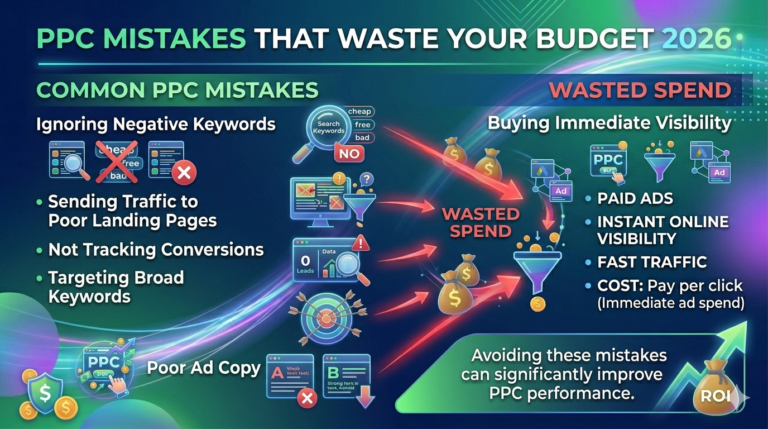
Small businesses must use PPC budgets carefully to maximize ROI.
1. Target Long-Tail Keywords
Long-tail keywords are cheaper and more specific.
Example:
- “Affordable agency for small business”
2. Use Geo-Targeting
Target ads only in locations where your customers live.
3. Optimize Landing Pages
A well-designed landing page improves conversions and lowers ad costs.
4. Run Remarketing Campaigns
Remarketing helps reconnect with users who visited your website but didn’t convert.
5. Use Ad Extensions
Google Ads extensions improve visibility and click-through rates.
How Much Does Google Ads Cost?
Google Ads costs vary depending on:
- Industry competition
- Keyword difficulty
- Audience targeting
- Quality Score
Highly competitive industries like insurance or law often have expensive keywords, while local businesses may pay much less.
Average Costs
- Small businesses: Low daily budgets can still generate leads
- Competitive niches: Higher CPC (cost per click)
- Local campaigns: Usually more affordable
Monitoring campaigns regularly helps control spending.
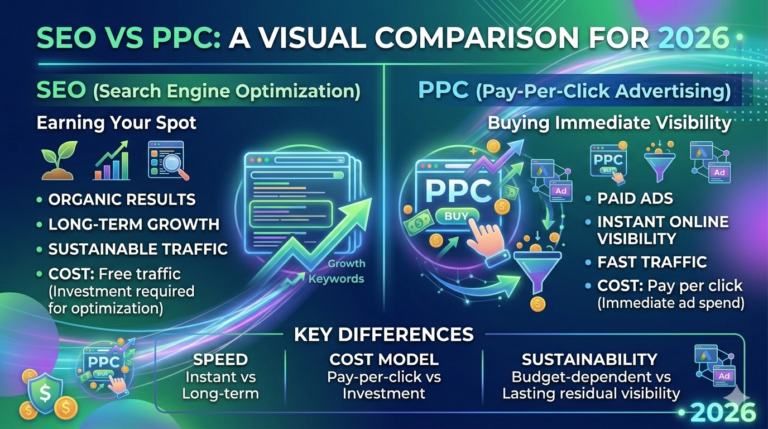
PPC Mistakes That Waste Your Budget
Many beginners lose money because of poor PPC management.
Common Mistakes
Ignoring Negative Keywords
Negative keywords prevent irrelevant clicks.
Sending Traffic to Poor Landing Pages
A bad landing page lowers conversions.
Not Tracking Conversions
Without tracking, you can’t measure ROI.
Targeting Broad Keywords
Broad targeting increases wasted clicks.
Poor Ad Copy
Weak headlines reduce click-through rates.
Avoiding these mistakes can significantly improve performance
Best Keywords for PPC Campaigns
Choosing the right keywords is critical for PPC success.
Best Types of PPC Keywords
Commercial Keywords
Example:
- Best SEO services
Transactional Keywords
Example:
- Buy running shoes online
Local Keywords
Example:
- agency near me
Long-Tail Keywords
Lower competition and better conversion rates.
Keyword Research Tips
- Use Google Keyword Planner
- Analyze competitors
- Focus on buyer intent
- Avoid irrelevant traffic
External Link Placeholder (DoFollow):
Google Keyword Planner
Conclusion
PPC advertising is one of the fastest and most effective ways to generate targeted traffic and increase sales online. From Google Ads and keyword research to Quality Score optimization and conversion strategies, every element plays a vital role in campaign success.
By using smart strategies, avoiding common mistakes, and continuously optimizing campaigns, businesses can achieve strong ROI and sustainable growth in 2026.